ADVERTISEMENT
ADVERTISEMENT

 (No Ratings Yet)
 Loading...
Fullscreen
ADVERTISEMENT


 (No Ratings Yet)Loading...
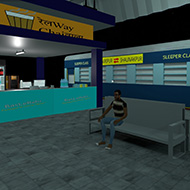
Who Is is a logic and deduction game that challenges players to analyze visual clues and determine the correct answer from limited information. Each level presents a short scenario, question, or puzzle where careful observation is essential. Who Is focuses on reasoning, pattern recognition, and attention to detail rather than speed, making every decision feel deliberate and rewarding.
The main structure of Who Is revolves around identifying the correct character, object, or outcome based on subtle hints. Players are shown a scene and asked a direct question, but the answer is rarely obvious at first glance. Success depends on interpreting visual details correctly and avoiding misleading elements.
Who Is relies heavily on visual storytelling. Small elements such as expressions, positioning, or objects often contain the key to solving a puzzle. Players must look beyond surface-level information and connect multiple clues to reach the correct conclusion.
Early levels introduce basic deduction concepts and help players understand how clues are presented. As progression continues, puzzles become more layered and ambiguous. Multiple elements may appear relevant, forcing players to carefully evaluate which details truly matter.
One of the most common mistakes in Who Is is answering too quickly. Players who rush often miss subtle but decisive details. Taking a moment to scan the entire scene and reconsider the question usually leads to better results.
Experienced players approach each puzzle methodically. They read the question carefully, scan the scene from edge to edge, and mentally eliminate impossible options. This structured approach reduces mistakes and improves consistency.
Players often ask whether guessing works in Who Is. While guessing might succeed occasionally, later puzzles are designed to punish random choices. Careful observation and logical reasoning are always more reliable than instinct alone.
Who Is delivers a thoughtful and engaging experience that rewards patience, reasoning, and attention to detail. Its steadily increasing challenge and clear feedback make it a satisfying game for players who enjoy solving visual puzzles through logic rather than reflexes.
There are no reviews yet. Be the first one to write one.