ADVERTISEMENT
ADVERTISEMENT

 (2 votes, average: 4.50 out of 5)
 Loading...
Fullscreen
ADVERTISEMENT


 (2 votes, average: 4.50 out of 5)Loading...
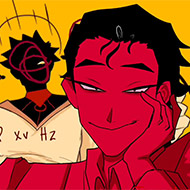
To Eat a God presents a deeply atmospheric experience centered on exploration, dialogue, and consequence. Players assume the role of a puppet navigating the enigmatic Garden, a place shaped by powerful Symbols that influence reality itself. Progress depends on understanding characters, interpreting subtle visual cues, and making deliberate choices. The game encourages reflection and curiosity, rewarding those who pay attention to details and approach each encounter thoughtfully.
The Garden is not simply a backdrop but an active participant in the journey. Every location introduces new interactions, conversations, and symbolic moments that expand the narrative. Players gradually uncover meaning through exploration rather than direct explanation, creating a sense of discovery throughout the experience.
Careful observation becomes essential, as even minor details may reshape how future events unfold.
To Eat a God focuses on narrative interaction rather than traditional mechanics. Players guide progression through dialogue selections and exploration, with each choice influencing tone, relationships, and available outcomes. The pacing allows time to consider decisions and reflect on their meaning.
The game rewards patience, encouraging players to treat every interaction as meaningful rather than incidental.
What makes To Eat a God stand out is its layered storytelling and strong sense of atmosphere. The experience combines expressive visuals with extensive dialogue, allowing players to interpret events in personal ways while shaping the direction of the narrative.
To Eat a God is a game designed around contemplation and discovery. Through symbolic encounters and branching decisions, players shape a personal interpretation of the Garden and its inhabitants. Those willing to explore patiently will uncover a layered narrative filled with meaning, consequence, and memorable moments shaped entirely by their choices.
There are no reviews yet. Be the first one to write one.