ADVERTISEMENT
ADVERTISEMENT

 (No Ratings Yet)
 Loading...
Fullscreen
ADVERTISEMENT


 (No Ratings Yet)Loading...
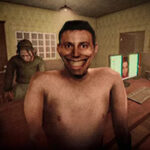
TungTung’s Nightmare looks like a joke lifted straight from an internet meme, and in fairness, it is, but it plays like a genuine chase-and-hide horror game rather than a shallow cash-in on a trend that is already fading elsewhere on the web.
The game’s premise traces directly back to a viral meme originating from Indonesia, built around the idea that someone who fails to wake up for sahur, the pre-dawn meal eaten before fasting during Ramadan, gets terrorized by a creature called TungTung. Sahur itself is a real and important part of the fasting routine, since it provides energy before a full day without food or drink, and the meme grew out of the loud, exaggerated ways people already wake each other up in time for it.
TungTung’s Nightmare takes that already-absurd cultural in-joke and builds an actual horror chase game around it, rather than treating the meme as a one-note reference that only makes sense to people already familiar with the original joke.
Absurdity as the tone, not a side effect. The horror in TungTung’s Nightmare leans on the same surreal, exaggerated humor that defines brainrot memes generally, rather than playing its scares completely straight. Being pursued by TungTung carries real tension, but the game does not pretend its premise, a monster born from missing a pre-dawn meal, is anything other than gleefully ridiculous, and that self-awareness is part of what keeps repeat sessions entertaining rather than repetitive.
Hide-and-seek elements sit alongside straightforward chase sequences, giving players more than one way to avoid TungTung depending on the specific version or mode being played, rather than relying purely on running in a straight line away from the threat.
Not strictly, since the chase-and-hide gameplay works on its own terms, but knowing the sahur connection adds a layer of cultural context that makes the premise land as intended rather than reading as an arbitrary monster design.
Both, deliberately. The game plays its chase sequences with real tension while never losing the absurd, meme-driven humor that its premise, a creature that punishes oversleeping before a pre-dawn meal, is built on.
Part of what makes TungTung’s Nightmare work as a horror game rather than just a reference is how specific the underlying joke already was before any game existed. Sahur is not an abstract mealtime; it carries real weight during the fasting month, since missing it means going without food or drink for a full day ahead. The original meme exaggerated the lengths people already go to in order to wake each other for it, loud, theatrical, over-the-top methods, and TungTung’s Nightmare inherits that same exaggerated energy rather than inventing a new tone from scratch.
That grounding is why the game reads as more than a generic mascot-horror knockoff wearing a trendy skin. The threat TungTung poses is explicitly tied to a real cultural practice players may or may not already know about, and the game leans into that specificity rather than sanding it down into a vague, culturally neutral monster design the way many rushed meme-based horror titles tend to do.
TungTung’s Nightmare exists in multiple versions across different platforms rather than as a single fixed release, with some builds emphasizing straightforward chase sequences and others folding in puzzle-solving or hide-and-seek segments alongside the pursuit itself. That variation means the exact shape of a session can differ depending on where a player encounters the game, though the core loop, avoid TungTung after failing to wake for sahur, stays consistent across versions.
Players jumping between different releases of the game sometimes note that the balance between straight chase tension and slower, hiding-focused sections shifts noticeably from one version to another, which keeps the format from feeling completely interchangeable even though the premise never changes.
It centers on chase mechanics, being actively pursued by TungTung, alongside hide-and-seek elements in some versions, rather than puzzle-solving or resource management systems.
TungTung’s Nightmare works precisely because it does not try to hide its meme origins behind a more serious horror shell, and understanding why oversleeping before sahur is the actual threat here is what turns an internet joke into a chase game with real teeth.
There are no reviews yet. Be the first one to write one.



![Hello Kitty [HORROR]](https://gamesummertimesaga.com/wp-content/uploads/2025/03/hello-kitty-horror.jpg "Hello Kitty [HORROR]")